








<img alt="" src="https://secure.intelligentdatawisdom.com/782204.png" style="display:none;">

ESOP Succession Planning for Manufacturing Companies

hero-line

succession planning | labor pressure | exit options

An Employee Stock Ownership Plan (ESOP) provides a tax-advantaged ownership transition that doesn’t sacrifice independence, culture, or long-term growth

warehouse-managers-reviewing-tablet-data
decision-icon-circle

The Manufacturing Ownership Succession Challenge

Privately held manufacturing companies often reach a point where the path forward isn’t obvious. A third-party sale creates liquidity, but often at the cost of workforce stability, operational continuity, and independence that took decades to build.

The pressures compound:

  • Approaching retirement with no clear internal successor
  • Reluctance to sell to private equity or a strategic competitor
  • Skilled labor shortages and rising wage competition
  • Capital requirements for automation, equipment upgrades, or facility expansion
  • Cyclical markets that demand cost discipline and resilience
  • Significant tax exposure at exit
An ESOP offers a more flexible, structured exit that protects the company you built.
Why ESOPs Are Especially

Well-Suited for Manufacturers

Manufacturing is the single largest industry sector for ESOP-owned businesses in the U.S. That’s not a coincidence. The structure fits how industrial companies operate, compete, and create value over time.


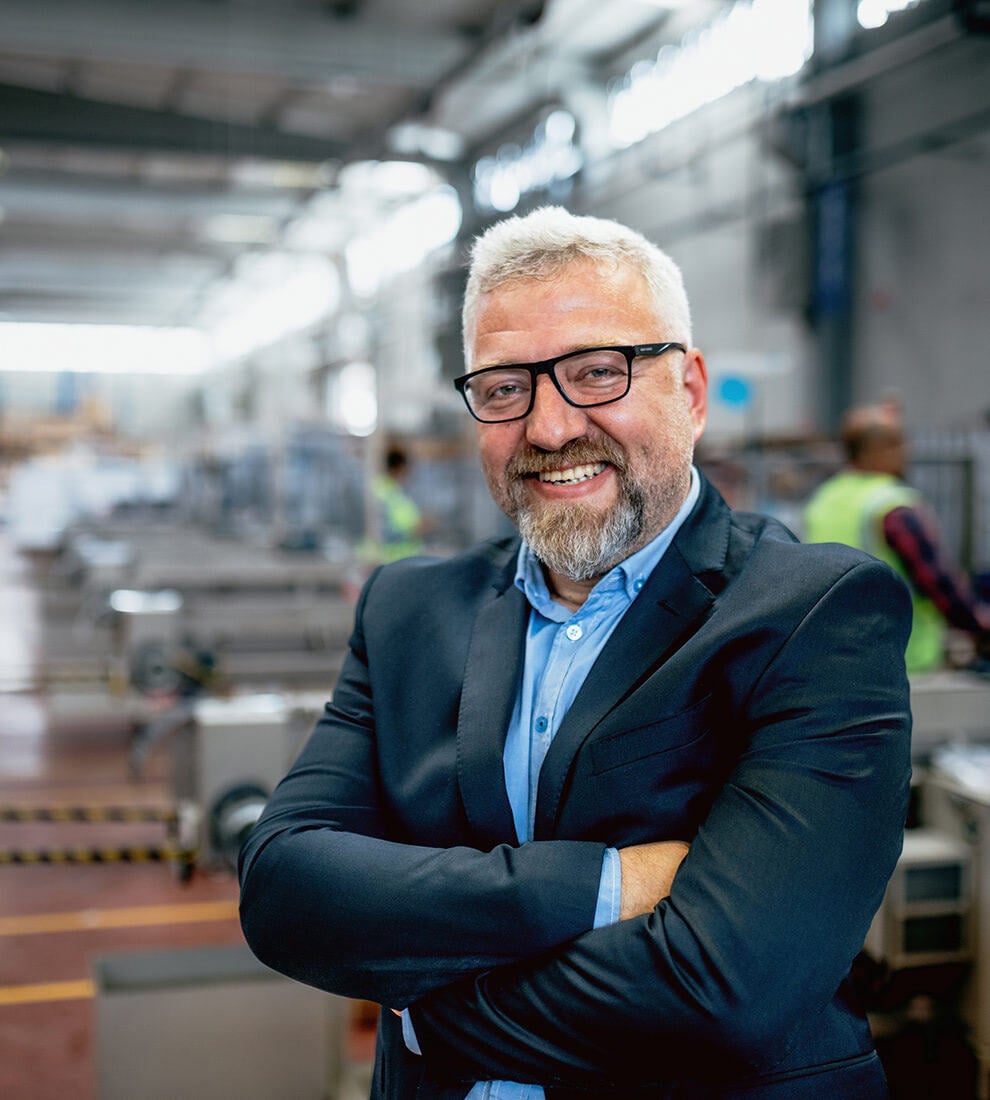
businessman-smiling-arms-crossed-in-factory
Succession

Without Selling Out

Most manufacturing businesses are founder-led or second-generation owned, deeply rooted in their communities, and built on customer and supplier relationships that developed over decades. Selling to an outside buyer puts all of that at risk.

An ESOP creates an internal buyer for your shares. That means you can:

  • Sell a minority or majority stake
  • Transition gradually if you prefer, without a forced exit
  • Maintain leadership continuity
  • Preserve your brand and company culture
  • Avoid forced integration into another organization

For owners who want both liquidity and independence, an ESOP is often the only option that can achieve both.

hero-line


A Retention & Recruiting Advantage in

Skilled Labor Markets

Manufacturers compete aggressively for:

  • Machinists
  • Welders
  • CNC operators
  • Engineers
  • Maintenance technicians
  • Plant supervisors

Replacing experienced employees is expensive. Losing institutional knowledge is worse.

An ESOP transforms employees into beneficial owners. When employees become owners, many tend to stay longer, engage more deeply, and make decisions with a longer time horizon in mind. In a plant environment, that can show up in many ways across an organization:

  • Fewer scrap and rework cycles
  • Better preventive maintenance habits
  • Stronger safety compliance
  • Improved participation in continuous improvement
  • Greater cross-training initiative

For manufacturers already running lean systems, an ownership culture reinforces operational excellence.

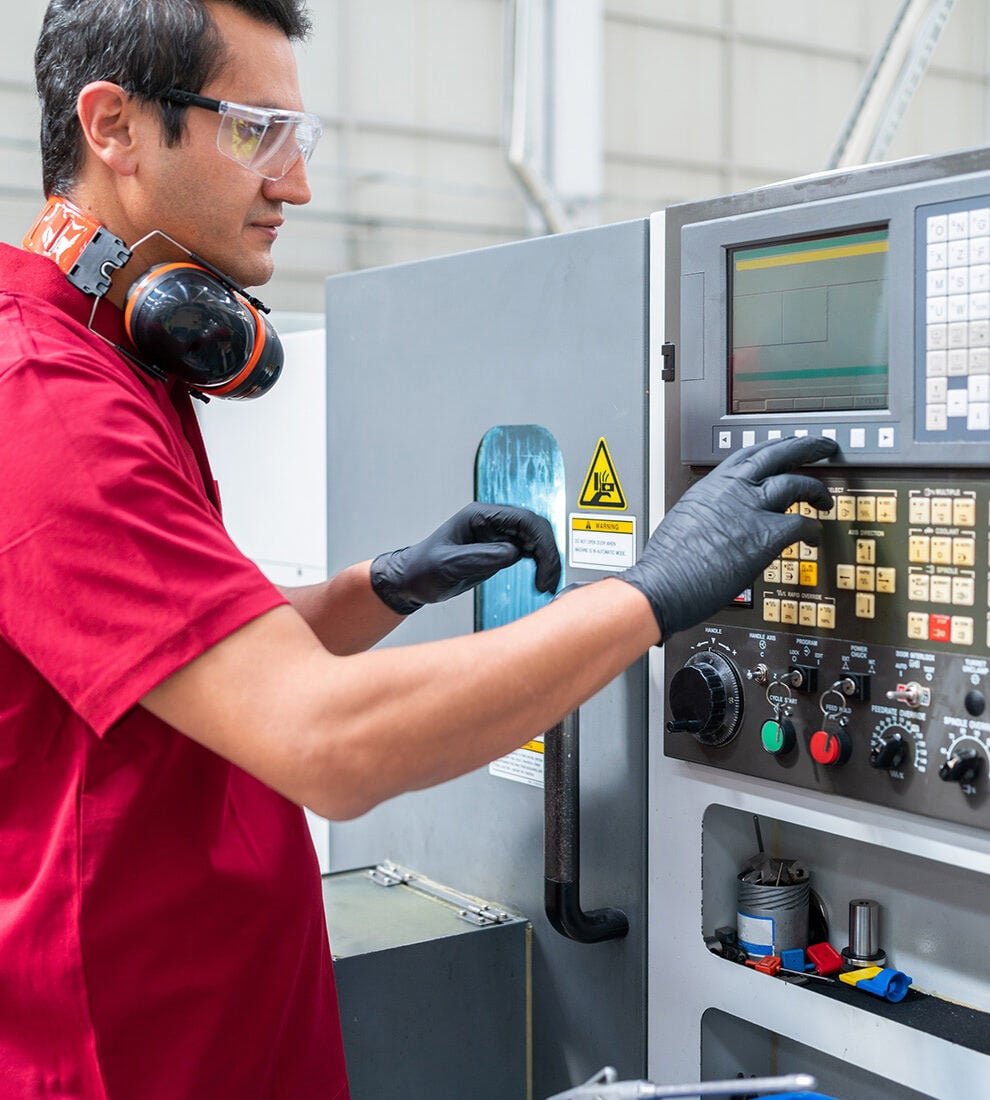
man-operating-cnc-machine-control-panel


hero-line
man-using-tablet-industrial-setting
ESOP Tax Advantages for

Manufacturers

Manufacturing is capital-intensive. Cash flow matters. Automation, equipment modernization, facility expansion, and workforce development all require cash. ESOPs provide three primary tax advantages that can materially improve after-tax cash flow:

S-Corporation ESOP Tax Exemption

When structured as an S-corp, the percentage of the company owned by the ESOP is exempt from federal income tax. A 100% S-corp ESOP can effectively eliminate federal corporate income tax. For manufacturers, this can free substantial capital for:

  • Equipment upgrades
  • Automation investments
  • Debt reduction
  • Facility expansion
  • Balance sheet strengthening

Deductible ESOP Contributions & Loan Repayment

In leveraged transactions, the most common ESOP structure among manufacturers, contributions used to repay ESOP loans are tax-deductible within IRS limits.

Both principal and interest may qualify. This allows owners to finance the transition using pre-tax corporate dollars.

Capital Gains Deferral for Selling Owners (IRC Section 1042)

For C-corporation sellers, eligible shareholders may defer capital gains taxes through a Section 1042 rollover by reinvesting proceeds in qualified replacement property (QRP).

For manufacturers with significant built-in gain, this can make an ESOP transaction more tax-efficient than a comparable third-party sale.

(Tax treatment depends on structure and individual circumstances. Consultation with qualified ESOP counsel and tax advisors is essential.)

hero-line


Ownership Culture Supports

Productivity, Quality, and Safety

Manufacturing businesses succeed or fail on productivity, quality, safety, and continuous improvement. Research on ESOP companies shows performance advantages in areas including sales growth, employment stability, and output per employee, with results varying by company and structure.

These are some areas where an ownership mindset can translate into measurable operational gains:

  • Less scrap, waste, and rework
  • Greater worker engagement in continuous improvement
  • Stronger safety culture
  • Better equipment care and preventive maintenance
  • Higher cross-training participation
  • Improved accountability

The mechanism is alignment: when employees understand that operational performance drives enterprise value and their retirement accounts, it affects their daily decisions.

For manufacturers already invested in operational excellence, an ESOP strengthens the performance culture you’ve already built.

focused-worker-industrial-setting
hero-line


engineer-observing-smart-factory-floor
The Right Structural Fit for

Industrial Scale

ESOPs tend to perform best in companies with:

  • Stable profitability
  • A consistent payroll base
  • 40 or more employees
  • Established leadership teams

Most manufacturing firms naturally fit that profile.

That scale economically justifies the ongoing requirements of an ESOP: independent valuations, fiduciary oversight, and ongoing plan administration.

hero-line


Stability & Resilience

When Markets Tighten

Manufacturing is cyclical. When demand drops, cost discipline, productivity, and morale all interact. Research on ESOP companies suggests that in the aggregate, employee-owned companies have tended to show stronger survival rates, greater employment stability, and fewer reactionary layoffs during economic downturns.1

An ownership culture encourages a different kind of organizational response to hard times: more deliberate cost management, less reactionary decision-making, and sustained engagement through slow cycles.

For industrial companies navigating economic cycles, stability is much more than a cultural benefit; it’s a structural advantage.

1 Harvard Business School, Employee-owned companies tend to weather economic downturns, November 26, 2025.

business-people-collaborating-warehouse-smiling
hero-line


How an ESOP Transition Works for

Manufacturing Companies

Many owners assume ESOP transactions are complex or disruptive. In reality, the process is professionally planned, structured, and managed by experienced advisors at every step:

Educate

Feasibility Assessment

We evaluate:

  • Estimated valuation range
  • Cash flow capacity
  • Debt tolerance
  • Ownership objectives
  • Cultural readiness

You receive a clear assessment before committing to a transaction.

male-industrial-worker-tablet-smiling-portrait
Educate
Evaluate

Independent Valuation

An independent trustee engages a qualified valuation firm to determine fair market value. This supports compliance for both the seller and the employee trust, which acquires a stake in the company through the transaction.

manager-and-workers-discussing-in-factory
Evaluate
Establish

Transaction Structure

Common structures include a partial ESOP (minority ownership), a majority sale, or a full 100% transition.

Transactions are typically financed through a combination of bank loans, seller notes, and company contributions, all structured around your cash flow and tax goals.

businesswoman-smiling-with-tablet-in-warehouse
Establish
Implement

Ongoing Post-Transaction Governance

After closing, company leadership stays in place, and the company continues operating normally.

An ESOP trustee represents the ESOP’s ownership interest, and annual independent valuations are part of the process. For employees, ESOP benefits are allocated to individual accounts over time and become vested according to the plan’s schedule, giving them the opportunity to build retirement wealth over time as the company grows and as employees meet eligibility requirements.
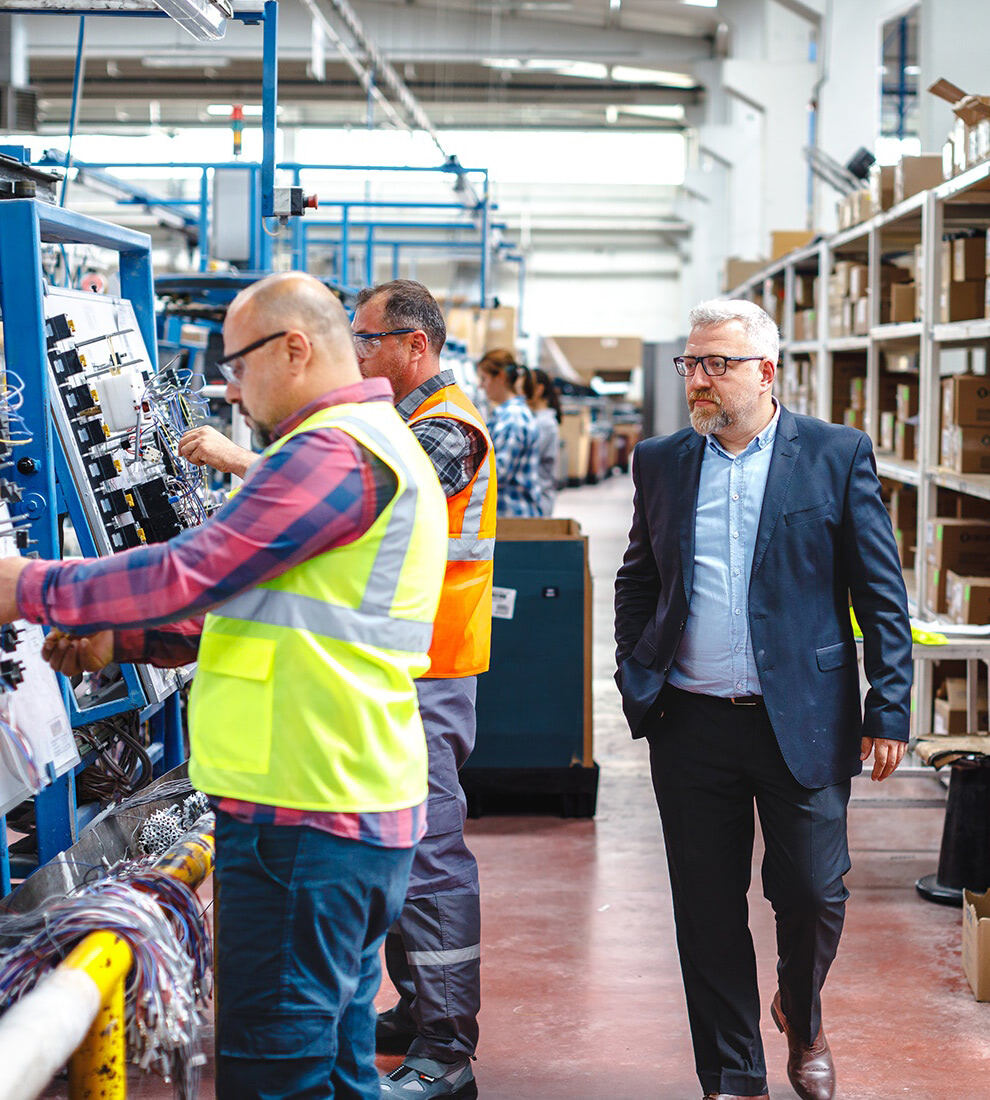
factory-manager-inspecting-production-workers
Implement
Administer

Expert Third-Party Administration

Running an ESOP requires more than good intentions; it demands rigorous, ongoing compliance. An experienced third-party administrator (TPA) manages the recordkeeping, regulatory filings, nondiscrimination testing, participant accounts, and distribution processes that keep your plan operating within ERISA and IRS requirements.

For manufacturing companies, where workforce complexity and plan participation can be significant, a dedicated, trusted TPA keeps every moving part on track — so your ESOP continues to deliver value for the company and the employee-owners it serves.

business-people-discussing-tablet-factory
Administer
Sustain

Long-Term Financial and Cultural Health

With proactive stewardship, an ESOP is built to last.

On the financial side, repurchase obligation studies model the company’s future obligation to buy back departing employees’ shares, so leadership can plan funding strategies with confidence and clarity.

On the cultural side, the ongoing work of communicating ownership, building engagement, and connecting employees to company performance is what turns an ESOP into a genuinely lived ownership culture.

Both are essential to realizing optimal value from the investment your employees and your company have made together.


diverse-warehouse-team-smiling-hard-hats-tablet
Sustain

ESOP vs. Private Equity or Strategic Sale

Manufacturers typically evaluate three succession paths. Here’s how they compare on the dimensions that matter most:

Option
Independence
Workforce Stability
Tax Efficiency
Cultural Continuity
Private Equity
Often Reduced
Variable
Deal-dependent
Often Shifts
Strategic Buyer
Often Lost
Consideration Risk
Deal-dependent
Often Absorbed
ESOP
Maintained
Typically Strengthened
Meaningful Advantages
Preserved

There’s no one right structure for every manufacturer. But for many, an ESOP is the only option that balances liquidity, control, and long-term independence.

businessman-smiling-arms-crossed-in-factory-1

Is Your Manufacturing Company a Good Candidate for an ESOP?

You may be a strong candidate if:

Protect What You’ve Built

If you’re evaluating ownership transition options for your manufacturing company, an ESOP deserves serious consideration.